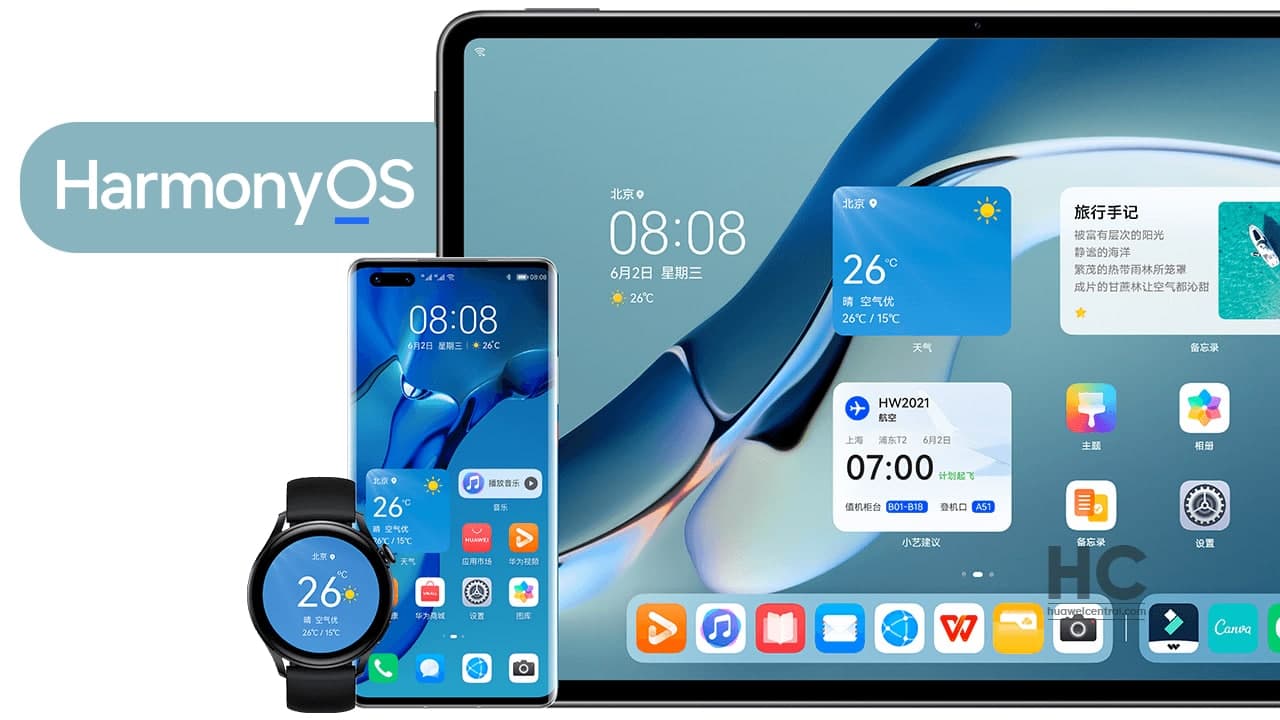
On October 22, Beijing time, China’s tech giant Huawei announced a significant milestone: the official release of China’s first homegrown mobile operating system, the Huawei Native HarmonyOS.
This marks the birth of the world’s third major mobile operating system, following Apple’s iOS and Android. In China, HarmonyOS has surpassed iOS in market share, ranking second with over 1.1 billion lines of code, a brand recognition rate of 91%, and a developer base of 6.75 million registered developers.
Unique Technical Advantages of HarmonyOS
The launch of Huawei Native HarmonyOS represents a major breakthrough for China in the global mobile OS landscape. The system offers several distinct technical advantages:
- Distributed Architecture: Huawei HarmonyOS employs a distributed architecture to enable seamless cross-device collaboration, providing a smooth user experience across multiple devices.
- Microkernel Design: Based on microkernel technology, HarmonyOS ensures stable and flexible task scheduling while enhancing data security.
- Performance Optimization: HarmonyOS features a deterministic latency engine that reduces response times by 25.7%, ensuring a smooth and stable user experience.
- Security: With its microkernel-based trusted execution environment, HarmonyOS employs formal methods to redefine security, making it highly secure.
- Cross-device Ecosystem Sharing: Supported by a unified IDE, developers can code once and deploy across multiple devices, enabling ecosystem sharing across platforms.
- Atomic Services: HarmonyOS Atomic Services introduces new service and interaction modes, including features like no-install services, simplifying applications and making services easily accessible.
Global Competitiveness of Huawei HarmonyOS
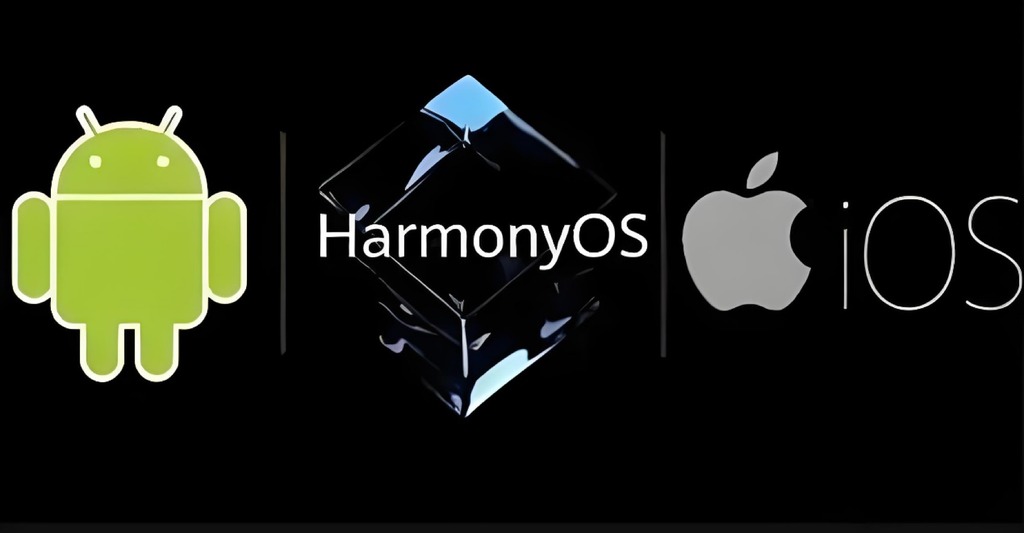
HarmonyOS is gaining traction globally. In the first quarter of 2024, its global market share doubled to 4%, and in China, it reached 17%, surpassing Apple’s iOS to become the second-largest OS.
HarmonyOS’s success is driven by both technical innovation and global competitiveness. Huawei has partnered with over 300 universities across China to accelerate R&D and iteration. Additionally, the HarmonyOS ecosystem is expanding rapidly, with over 15,000 native apps and meta-services available across 18 industries. Huawei invests 6 billion yuan annually to incentivize developer innovation, fostering the growth of the HarmonyOS ecosystem.
Despite challenges and uncertainties in the international market, HarmonyOS has demonstrated strong market potential and technological innovation. As Huawei continues to push its 5G smartphones, HarmonyOS is expected to further increase its market share, solidifying its presence in China’s smartphone OS market and achieving future breakthroughs.
Will HarmonyOS Fail Like Windows Phone?
HarmonyOS and Windows Phone face different market conditions and technical backgrounds.
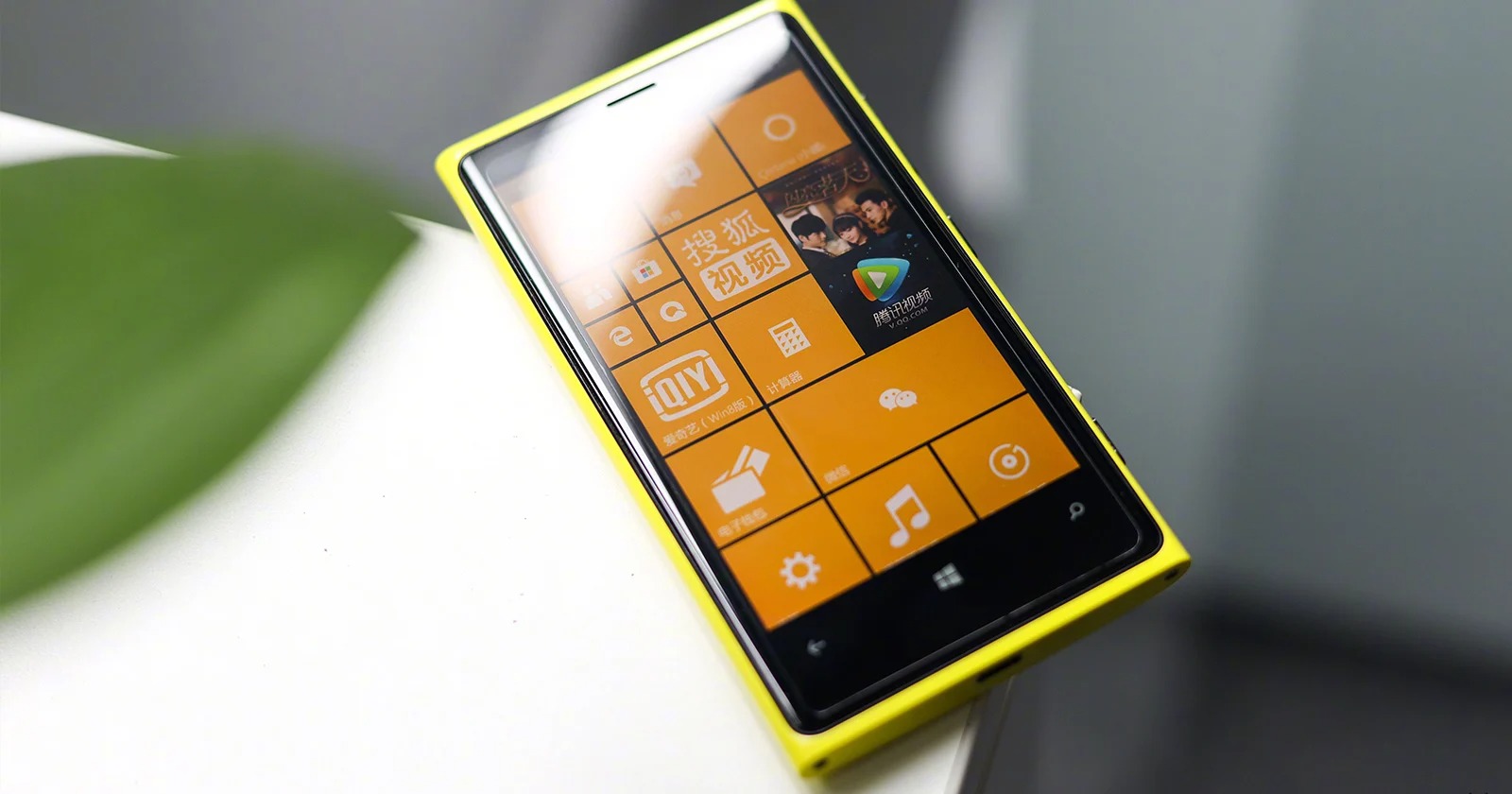
Windows Phone’s failure stemmed from various factors, including an incomplete ecosystem, weak market promotion, and direct competition with market leaders. In contrast, Huawei HarmonyOS has shown strong market potential and innovation since its launch.
Huawei has already partnered with over 300 universities, accelerating R&D. Furthermore, the HarmonyOS ecosystem is expanding quickly, with over 15,000 native apps and services spanning 18 industries. Given these factors, HarmonyOS appears to have a promising future and is unlikely to suffer the same fate as Windows Phone.
Will HarmonyOS Impact Windows Market Share?
Huawei HarmonyOS primarily targets the mobile device market, whereas Windows dominates the desktop and laptop space. While both are operating systems, they serve different core use cases and user bases.
HarmonyOS’s launch may attract mobile device users seeking higher performance, better security, and a smoother experience. However, Windows remains solid in the desktop market, especially among enterprise and professional users. Thus, HarmonyOS is unlikely to significantly impact Windows’s market share in the short term. Nevertheless, as HarmonyOS matures and expands its use cases, it could challenge Windows in certain areas in the future.
