
50 years is not a short time, whether for a person or a company. In 1975, Bill Gates and his good friend Paul Allen founded Microsoft, which truly brought microcomputers to ordinary people and profoundly changed the world.
In the past 50 years, Microsoft has created many great products. Let’s review Microsoft’s milestones!
Corporate Growth
1975: Microsoft Founded
Bill Gates and Paul Allen established Microsoft, marking the beginning of a transformative era in personal computing.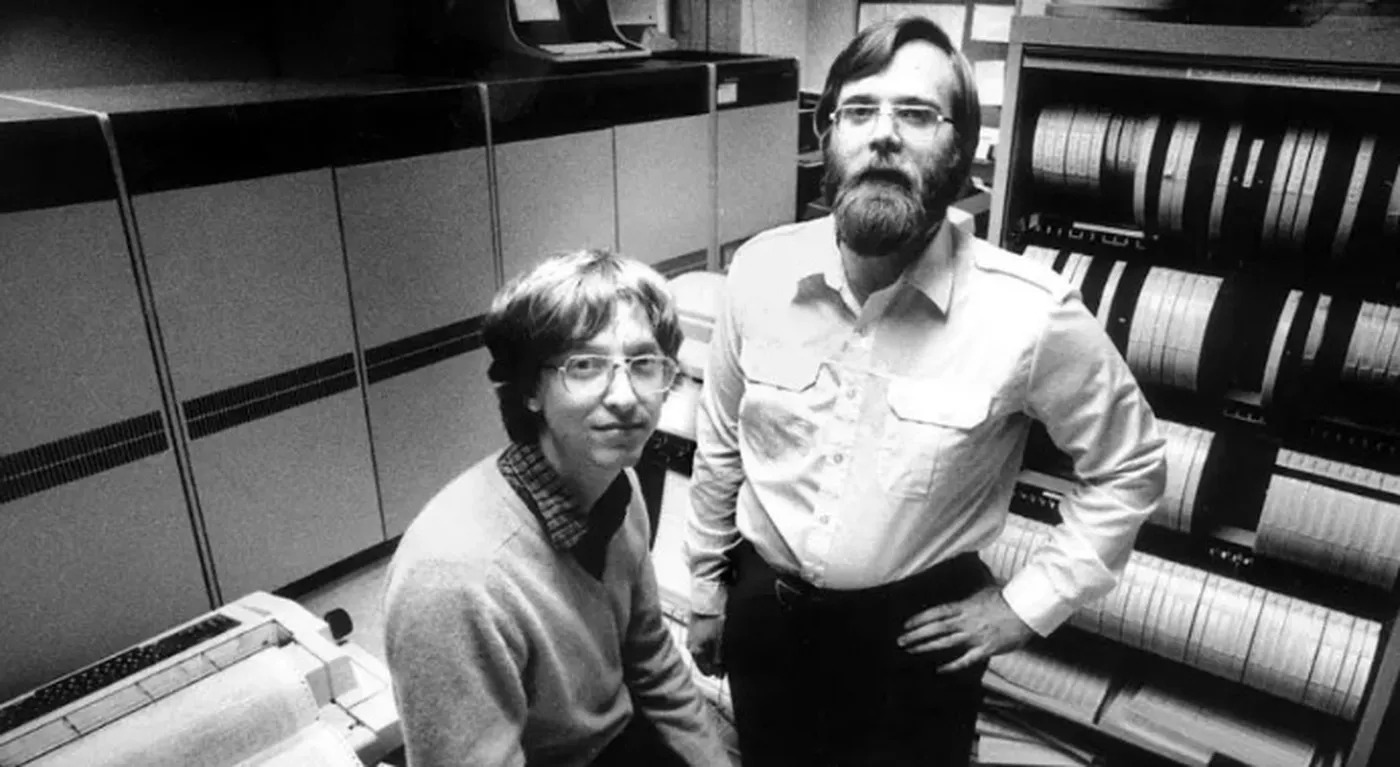
1986: Initial Public Offering (IPO)
Microsoft went public, raising significant capital and laying the foundation for its future growth.2016: Acquisition of LinkedIn
Microsoft acquired LinkedIn, the professional networking platform, expanding its reach in professional social networking.2018: Acquisition of GitHub
Microsoft acquired GitHub, the world’s leading platform for software development collaboration.2024: Becomes World’s Most Valuable Company
In January 2024, driven by advancements in artificial intelligence and cloud computing, Microsoft’s market capitalization reached $2.89 trillion, surpassing Apple to become the world’s most valuable company.
Operating Systems
1981: Incorporation and MS-DOS Partnership with IBM
Microsoft incorporated and partnered with IBM to provide the MS-DOS operating system for IBM’s personal computers, establishing its presence in the PC market.1985: Release of Windows 1.0
Microsoft introduced Windows 1.0, its first graphical user interface operating system, marking a significant shift towards user-friendly computing.1995: Launch of Windows 95
The release of Windows 95 introduced the Start menu and taskbar, revolutionizing user interaction with PCs and significantly boosting personal computer adoption.2001: Release of Windows XP
Microsoft launched Windows XP on October 25, 2001, introducing a more stable and user-friendly experience, which contributed to its widespread adoption and longevity.
2009: Release of Windows 7
On October 22, 2009, Windows 7 was released, addressing the shortcomings of its predecessor and becoming one of the most popular Windows versions due to its improved performance and interface.2015: Release of Windows 10
Microsoft introduced Windows 10 on July 29, 2015, offering a unified platform across multiple devices and marking a shift towards Windows as a service with continuous updates.2021: Release of Windows 11
Microsoft launched Windows 11, featuring a redesigned interface and new features to enhance user experience.
Productivity Software
1990: Introduction of Microsoft Office Suite
Microsoft launched the Office suite, integrating applications like Word, Excel, and PowerPoint, which became essential tools in business and education.2011: Launch of Office 365 (now Microsoft 365)
Microsoft introduced Office 365, a subscription-based service offering cloud-based access to Office applications and other productivity services. It was rebranded as Microsoft 365 in 2020 to reflect its expanded scope.
You may like How Microsoft 365 Account Sharing Works and Where to Get It Safely
Cloud Services
2010: Launch of Microsoft Azure
Microsoft introduced Azure, its cloud computing platform, positioning itself as a leader in cloud services and supporting enterprises in their digital transformation.2024: Azure Achieves 24% Global Market Share
By 2024, Microsoft Azure captured 24% of the global cloud market, reflecting its significant growth and competitive position in the cloud services industry.
Gaming
2001: Entry into Gaming with Xbox
Microsoft entered the gaming industry with the launch of the original Xbox console, expanding its product portfolio and establishing a significant presence in the gaming market.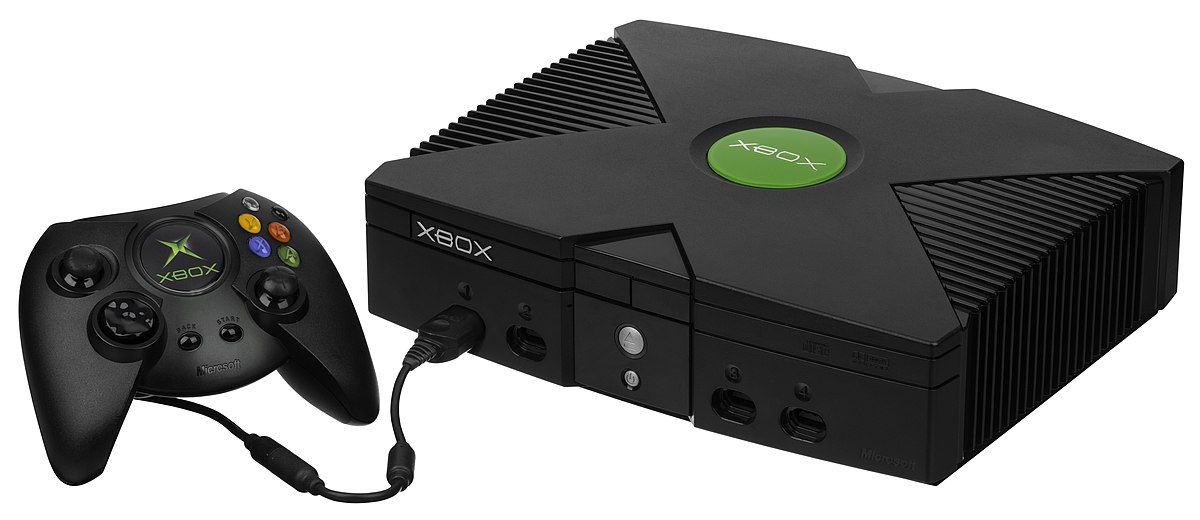
2014: Acquisition of Mojang
Microsoft acquired Mojang, the creator of Minecraft, enhancing its presence in the gaming industry.2023: Acquisition of Activision Blizzard
Microsoft completed its acquisition of Activision Blizzard, adding popular franchises like Call of Duty and World of Warcraft to its gaming portfolio.
In November 2022, OpenAI released ChatGPT, and AI has since become a tool that everyone can use. Microsoft, which once missed the mobile era, seized the opportunity this time and became an important player in the field of AI.
2014: Launch of the AI Chatbot “Xiao Bing”
Microsoft Asia Internet Engineering Institute launched the AI chatbot “Xiao Bing” in China on May 30, 2014. The goal was to establish an emotional computing framework and enhance the naturalness and emotional resonance of human-computer interactions.2016: Speech Recognition Technology Achieves Human-Level Professional Accuracy
Microsoft’s conversational speech recognition technology achieved a word error rate of 5.9% in the Switchboard speech recognition benchmark test, reaching a level comparable to professional stenographers. This marked a major breakthrough in speech recognition technology.2019: Leading in AI Patents Globally
As of January 2019, Microsoft held over 18,000 AI-related patents, ranking first among global tech companies. This demonstrated its leadership and continuous innovation in the AI field.2023: Launch of Microsoft Copilot
On February 7, 2023, Microsoft introduced the AI chatbot Microsoft Copilot, based on large language models, integrated into Microsoft Bing, Microsoft Edge, and Microsoft 365. It replaced the previous Cortana, offering a smarter interaction experience.
2023: Launch of Microsoft 365 Copilot
On September 26, 2023, Microsoft launched Microsoft 365 Copilot, combining large language models with Microsoft Graph data and integrating it into applications like Word, Excel, and PowerPoint. This enhanced user productivity and creativity.2025: New Breakthrough in Speech Recognition Technology
In February 2025, Microsoft collaborated with Scale AI to integrate its speech recognition engine into Microsoft’s smart speech product line, further improving accuracy and real-time processing capabilities. This expanded its applications in fields such as healthcare and education.
No company is eternal. Many companies have achieved epoch-making achievements and enjoyed a period of glory, but they have been slowly annihilated in the tide of the times under the impact of latecomers. Microsoft has had failures and setbacks, but it has a deep foundation and can adjust its strategy in time after discovering mistakes. This is why the “Blue Giant” has survived 50 years of ups and downs but still stands firm.
Happy birthday, Microsoft! Cheers to 50 years.
